
Omni-Channel Marketing: Creating a Seamless Customer Experience Across Every Channel
In a significant move that bridges the gap between social media and search engines, Instagram has announced that starting July 10, 2025, content from public professional accounts will be indexed by Google. This update has major implications for brands, creators, and marketers who rely on Instagram to build visibility and connect with audiences.
What is Omni-Channel Marketing?
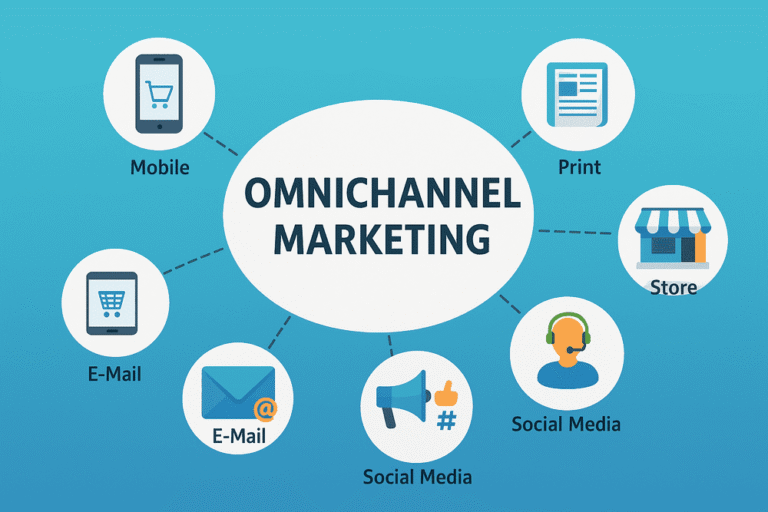
Omni-channel marketing is a strategy that connects all customer touchpoints to create a smooth and consistent experience across online and offline channels. Whether a customer interacts with your brand through a website, social media, email, mobile app, search engine, or physical store, they receive a unified experience throughout their journey.
Unlike multi-channel marketing, where channels operate independently, omni-channel marketing integrates all channels so customers can move between them without disruption.
Why Omni-Channel Marketing Matters
Today’s customers interact with brands through multiple platforms before making a purchase. They may discover a product on social media, visit a website for more information, receive an email offer, and finally complete the purchase through a mobile app or store.
Businesses that provide a consistent experience across all these touchpoints can:
- Improve customer satisfaction
- Increase brand loyalty
- Boost conversion rates
- Enhance customer retention
- Generate higher revenue
- Build stronger customer relationships
Key Components of an Effective Omni-Channel Strategy
1. Customer-Centric Approach
The foundation of omni-channel marketing is understanding customer behavior. Businesses must analyze how customers interact with different channels and create personalized experiences based on their preferences.
2. Consistent Brand Messaging
Your brand voice, visual identity, offers, and messaging should remain consistent across all channels. This helps customers recognize and trust your brand wherever they engage with it.
3. Integrated Data and Analytics
Customer data from websites, social media platforms, email campaigns, CRM systems, and physical stores should be connected to create a complete view of the customer journey.
4. Personalized Customer Experience
Using customer data allows businesses to deliver relevant content, product recommendations, and targeted promotions based on customer interests and behaviors.
5. Cross-Channel Communication
Customers should be able to start their journey on one channel and continue it on another without losing context. This seamless transition is what makes omni-channel marketing effective.
Benefits of Omni-Channel Marketing
Improved Customer Experience
Customers enjoy a smooth journey across different platforms, leading to greater satisfaction and trust.
Higher Conversion Rates
Consistent engagement across channels keeps customers connected with your brand and encourages purchasing decisions.
Better Customer Retention
A personalized and convenient experience increases the likelihood of repeat purchases and long-term loyalty.
Increased Revenue
Businesses that successfully implement omni-channel marketing often experience higher customer lifetime value and increased sales.
Enhanced Marketing Performance
Integrated data provides deeper insights into customer behavior, helping marketers optimize campaigns and improve ROI.
Popular Omni-Channel Marketing Channels
Website
Your website serves as the central hub for information, products, and conversions.
Social Media
Platforms like Facebook, Instagram, LinkedIn, TikTok, and X help businesses engage with audiences and drive traffic.
Email Marketing
Email remains one of the most effective channels for nurturing leads and retaining customers.
Search Engine Marketing
SEO and paid advertising help customers find your business when searching for products or services.
Mobile Applications
Apps provide personalized experiences, notifications, and loyalty program integration.
Physical Stores
For businesses with retail locations, in-store experiences should align with digital interactions.
Customer Support Channels
Live chat, WhatsApp, phone support, and help desks should all work together to provide consistent assistance.
How to Build an Omni-Channel Marketing Strategy
Step 1: Understand Your Customer Journey
Map out every touchpoint customers use when interacting with your brand. Identify opportunities to improve the experience across channels.
Step 2: Integrate Marketing Platforms
Connect CRM systems, analytics tools, email platforms, social media accounts, and advertising channels to centralize customer data.
Step 3: Create Consistent Messaging
Develop unified branding, content, and promotional strategies across all marketing channels.
Step 4: Personalize Customer Interactions
Use customer behavior and purchase history to deliver relevant content and offers.
Step 5: Measure and Optimize
Track key performance indicators such as customer engagement, conversion rates, retention rates, and return on investment.
Examples of Omni-Channel Marketing
Retail Industry
A customer sees a product advertisement on Instagram, visits the website to learn more, receives a discount code through email, and purchases the product through the mobile app.
Hospitality Industry
A traveler discovers a hotel through Google Search, views reviews on social media, books through the website, receives confirmation via email, and gets support through WhatsApp.
E-commerce Business
A shopper abandons their cart on a website and later receives a personalized email reminder with a special offer, encouraging them to complete the purchase.
Common Challenges in Omni-Channel Marketing
- Managing customer data across multiple platforms
- Maintaining consistent messaging
- Integrating different marketing technologies
- Tracking customer journeys accurately
- Delivering real-time personalization
Businesses that invest in the right tools and processes can overcome these challenges and create highly effective customer experiences.
Future of Omni-Channel Marketing
As technology continues to evolve, artificial intelligence, automation, predictive analytics, and customer data platforms will play an increasingly important role in omni-channel marketing. Businesses that embrace these innovations will be better positioned to meet customer expectations and stay ahead of competitors.